Learning Guide · Proof of Concept Nº 1

A library that
talks back.

Every learning platform can play a video. The concept that needs proving is the dialogue: a companion that asks before it tells, that challenges easy answers, and that stays rooted in the text on the page. Five minutes with one poem.

  1. I Dialogue is the primary surface, not a help widget.
  2. II The Guide asks before it tells.
  3. III Every question is grounded in the text. Watch the page respond.
  4. IV Comfortable half-answers are challenged, not praised.
  5. V Understanding accrues as the learner's own claims, in the margin.
  6. VI The Guide learns how you learn. Its model of you is visible, and correctable.

A scripted demonstration. In the product, the dialogue is generated live, against any text in the catalogue.

Learning Guide Horace · Odes I.11 · Carpe Diem Scripted demonstration

The Text

Odes I.11

Quintus Horatius Flaccus · c. 23 BC
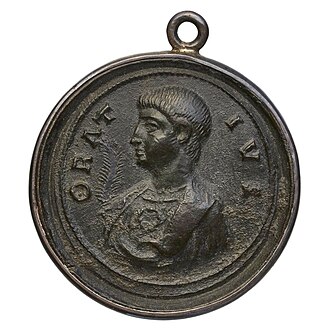
Horace on a contorniate medallion, struck in Rome around AD 400
Horace, on a medallion struck c. AD 400. BnF, Paris.

1Tu ne quaesieris (scire nefas) quem mihi, quem tibi

2finem di dederint, Leuconoe, nec Babylonios

3temptaris numeros. Ut melius quicquid erit pati!

4Seu pluris hiemes seu tribuit Iuppiter ultimam,

5quae nunc oppositis debilitat pumicibus mare

6Tyrrhenum, sapias, vina liques, et spatio brevi

7spem longam reseces. Dum loquimur, fugerit invida

8aetas: carpe diem, quam minimum credula postero.


Do not ask (to know is forbidden) what end the gods have set for me, for you, Leuconoe; and do not keep trying the Babylonian numbers. How much better to endure whatever comes: whether Jupiter grants more winters, or this one is the last, now wearing the Tyrrhenian sea against the pumice cliffs. Be sensible: strain the wine, and prune long hope to a short season. Even as we speak, envious time has fled. Pluck the day, trusting tomorrow as little as you may.

Dotted phrases will answer. Click one to ask the Guide about it.

The Dialogue